How To Be Kind To Yourself As You Age
Gentle reflections on self-compassion and kindness as you age, and why supporting yourself emotionally is an essential part of aging well.
MIND, MEMORY & EMOTIONAL WELLBEING
2/4/20262 min read
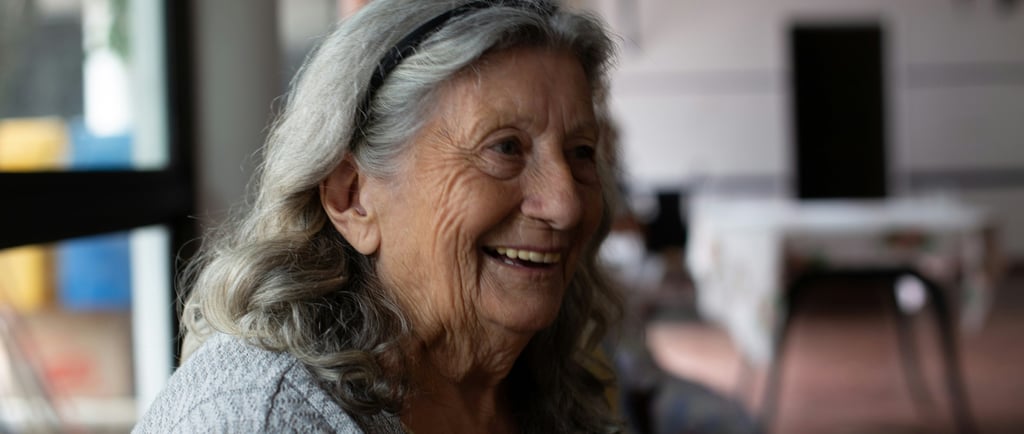
Aging is a natural part of life but it doesn’t always feel gentle. Many people notice that as they grow older, they become harder on themselves. Changes in energy, memory or physical strength can bring frustration, self-criticism or the feeling that you should still be the same as before.
If this sounds familiar, you’re not alone. And more importantly, nothing is wrong with you.
Being kind to yourself as you age is not about giving up or lowering standards. It’s about learning how to support yourself in a way that feels realistic, compassionate, and sustainable.
Why Self-Kindness Matters as We Age
As we get older, both the body and the mind go through natural changes. What often makes aging feel heavy isn’t the changes themselves; it’s the pressure to push through them without acknowledging how they feel.
Self-kindness helps soften that pressure. When you allow yourself understanding instead of criticism, daily life often feels more manageable. Stress feels lighter. Setbacks feel less personal. And aging becomes something you move with, not something you constantly fight against.
Kindness toward yourself creates emotional space. Yhat space is essential for wellbeing at any age.
What Being Kind to Yourself Actually Looks Like
Self-kindness doesn’t require big mindset shifts or complicated practices. Often, it starts with small, quiet choices.
It can look like:
allowing yourself to rest without guilt
adjusting expectations on days when energy feels lower
choosing gentle movement instead of pushing through discomfort
speaking to yourself the way you would speak to a close friend
These small moments of care add up. Over time, they build resilience and a healthier relationship with your own aging process.
Self-Kindness and Active Aging Go Hand in Hand
Being kind to yourself doesn’t mean becoming inactive. In fact, self-kindness often supports active aging because it helps you stay consistent without pressure.
When movement, routines, or daily habits are guided by care rather than discipline, they are easier to maintain. This gentle approach is often more effective than forcing yourself into routines that don’t feel right anymore.
If you’d like to explore how small, supportive habits can help you stay mobile, mentally clear, and connected, you can read more here
When Aging Starts to Feel Heavy: Small Daily Habits That Help You Stay Active After 60 (coming)
Supporting Yourself Gently in Everyday Life
For many people, being kind to themselves also means offering the body a little extra support. This can include simple routines, restful sleep, nourishing food and sometimes gentle supplements that are commonly used as part of daily wellbeing.
Some people choose options such as magnesium to support muscle relaxation or sleep quality, especially when the body feels tense or easily fatigued. These choices work best when they complement everyday habits rather than replace them.
The goal is not to fix yourself — it’s to support yourself.
A Gentle Place to Begin
If you’re not sure where to start, begin with one small act of kindness today.
That might be resting when you need to, choosing a slower pace, or simply reminding yourself that aging does not take away your worth.
Active aging is not about doing everything right.
It’s about doing something kind for yourself again and again.
© 2026. All rights reserved.