The Ultimate Guide to Active Aging After 60
What staying active really means as you get older.
START HERE
2/5/20262 min read
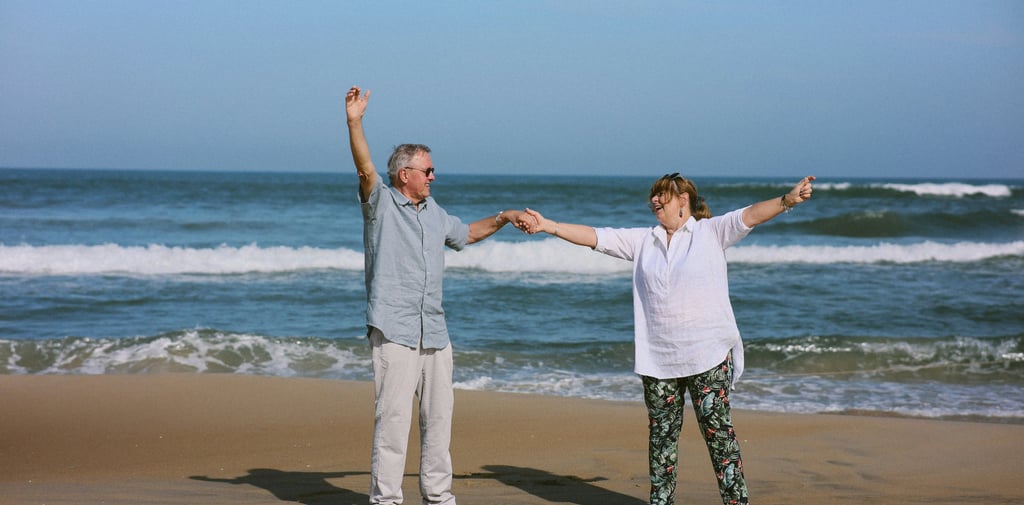
Aging doesn’t mean slowing down into stillness.
But it does mean moving differently.
Many people over 60 want to stay active, strong, and independent without pain, fear of injury or pressure to “keep up” with younger bodies. And yet, so much fitness advice online feels loud, intense, or unrealistic.
This guide is here to offer something different:
gentle, evidence-based, and realistic ways to stay active after 60. Without the gym culture or extreme routines. I created this guide because I believe aging well should feel supportive, not demanding.
Active aging is not about doing more.
It’s about doing what supports your body now.
What Does “Active Aging” Really Mean?
Active aging isn’t about:
pushing through pain
forcing high-impact workouts
chasing fitness trends
True active aging means:
maintaining mobility and balance
supporting joint and bone health
keeping daily movement safe and enjoyable
staying independent for as long as possible
Small, consistent movement matters far more than intensity.
Why Movement Becomes More Important After 60
As we age, the body naturally experiences:
loss of muscle mass
reduced balance and coordination
stiffer joints
slower recovery
Regular, gentle movement helps:
reduce fall risk
support heart health
protect cognitive function
improve mood and sleep
maintain confidence in daily life
The goal is not performance. It’s quality of life.
The Best Types of Exercise After 60
You don’t need complicated routines. The most effective movement usually fits into four simple categories.
1. Gentle Strength Training
Strength supports:
bones
joints
posture
everyday tasks like standing up or carrying groceries
Good options include:
bodyweight exercises (chair squats, wall push-ups)
light resistance bands
slow, controlled movement
Two to three short sessions per week is enough.
2. Balance and Stability Exercises
Balance training is one of the most overlooked but most important forms of exercise after 60.
Improving balance helps prevent falls and builds confidence.
Simple examples:
standing on one leg near a chair
heel-to-toe walking
gentle balance boards (used carefully and with support nearby)
Just a few minutes a day makes a real difference.
3. Low-Impact Cardio
Cardio doesn’t have to mean running.
Excellent low-impact options:
walking
swimming or water aerobics
cycling
gentle dancing
Aim for movement that:
raises your heart rate slightly
still allows you to talk comfortably
Consistency matters more than speed.
4. Mobility and Flexibility
Mobility keeps joints healthy and movement pain-free.
Helpful practices include:
stretching
yoga adapted for seniors
Pilates-style core and posture work
This kind of movement supports:
better posture
easier walking
reduced stiffness
How Often Should You Exercise After 60?
There is no perfect number but there is a helpful rhythm.
A simple weekly structure could look like:
daily light movement (walking, mobility)
2–3 days of gentle strength
balance exercises most days
flexibility work whenever it feels good
Listening to your body is essential. Rest is part of active aging.
Staying Active Without the Gym
Many people avoid gyms and that’s completely okay.
You can stay active:
at home
outdoors
with simple, affordable tools
Helpful items may include:
a non-slip exercise mat
resistance bands
a sturdy chair
supportive walking shoes
These tools support movement but they are optional. Your body is the main resource.
Safety Tips for Active Aging
Before starting or changing your routine:
talk with a healthcare provider if you have medical conditions
move slowly and deliberately
stop if something feels sharp or painful
prioritize proper form over repetition
Rememer, discomfort is not a requirement for progress!
The Emotional Side of Staying Active
Movement isn’t just physical.
Staying active after 60 often brings:
confidence
a sense of independence
better mood
reduced anxiety about aging
Gentle routines can feel nurturing instead of demanding.
Active Aging Is a Long Game
There’s no finish line.
Active aging is about:
staying connected to your body
adapting as needs change
choosing movement that feels supportive, not punishing
Small steps, done consistently, create lasting strength.
Final Thoughts
You don’t need to push harder to age well.
You need to move wisely.
Active aging after 60 is about:
safety
sustainability
self-respect
Your body deserves care. Not pressure.
Sources & Further Reading
© 2026. All rights reserved.