When Aging Starts to Feel Heavy: Small Daily Habits That Help You Stay Active After 60
Aging doesn’t usually happen all at once. For many people, it starts quietly, maybe with lower energy, slower mornings, or a sense that everyday tasks require more effort than before. If you’re over 60 and noticing these changes, you’re not alone. And the good news is that staying active doesn’t require drastic routines or intense workouts. Small, consistent habits can make a meaningful difference.
MIND, MEMORY & EMOTIONAL WELLBEING
2/3/20262 min read
Aging doesn’t usually happen all at once. For many people, it starts quietly with lower energy, slower mornings, or a sense that everyday tasks require more effort than before.
You may still feel like yourself, just moving a little more slowly, and wondering when that changed.
The good news is that staying active doesn’t require drastic routines or intense workouts. Small, consistent habits can make a meaningful difference without pressure or big changes.
Why Aging Can Start to Feel Heavier
As we age, changes in muscle mass, balance, sleep quality, and mental focus are completely normal. What often makes aging feel “heavy” isn’t one big issue. It’s the accumulation of small changes over time.
Less movement, reduced social interaction, and mental fatigue can slowly reinforce each other. The key is not to fight aging, but to support your body and mind gently and consistently.
Gentle Daily Habits That Support Active Aging
1. Keep Movement Simple and Regular
You don’t need long workouts. You need short daily movement:
walking
light stretching
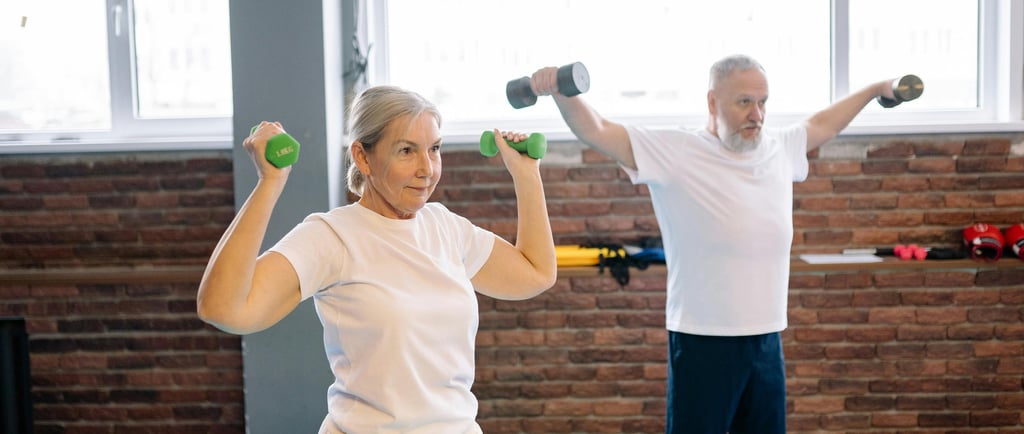
light weight workouts
chair exercises
These help maintain mobility, balance and confidence. Consistency matters more than intensity.
2. Support Mental Clarity Through Routine
Mental sharpness often benefits from simple structure:
reading
puzzles
learning small new things
keeping regular sleep and meal times
These routines help the brain stay engaged without pressure.
3. Stay Social in Small, Meaningful Ways
Connection doesn’t have to mean busy schedules. Regular contact with one or two people, shared activities, or even brief conversations can support emotional well-being and motivation to stay active.
The Role of Nutrition and Supplements in Active Aging
A balanced diet is the foundation of healthy aging, but some people choose to complement it with supplements that support mobility, energy levels, or bone health.
Commonly explored supplements for active aging include:
omega-3 fatty acids
vitamin D
magnesium
B vitamins
These are often used as part of a broader lifestyle approach, not as quick fixes.
Active Aging Is About Support, Not Perfection
Staying active after 60 isn’t about doing more. It’s about finding and doing things that supports you.
Small habits, gentle movement, mental engagement, and meaningful connection can help aging feel lighter and more manageable over time.
There’s no single right way to age actively. What matters is choosing habits that fit your life and feel sustainable.
If you’re reading this and feeling unsure where to start, begin with just one small habit. Active aging isn’t about doing everything right, it’s about doing something kind for yourself, consistently.
© 2026. All rights reserved.