Why Small Daily Walks Support Independence After 60
Aging actively doesn’t require intense workouts, complicated routines or pushing your body beyond its limits. For adults over 60, walking is one of the simplest, safest and most powerful ways to support health, independence and everyday joy.
EVERYDAY INDEPENDENCE
2/5/20262 min read
Why Walking Is One of the Best Exercises After 60
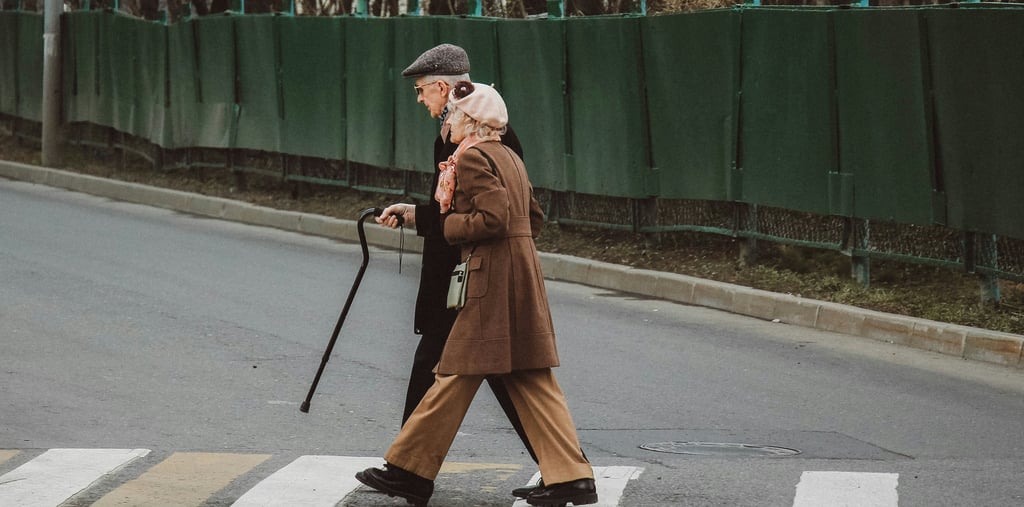
When it comes to exercise after 60, many people assume that more intensity means better results. In reality, walking is one of the most effective forms of movement for maintaining health, balance and independence as we age. Walking is often underestimated, yet research consistently shows it to be one of the most effective forms of physical activity for older adults. It’s low-impact, accessible, and adaptable to all fitness levels.
Every body and every life situation is different. Not everyone is able to walk freely and that is completely okay. This guide is for those who can walk independently or with support and who are looking for ways to stay active.
Here’s why walking truly shines after 60:
1. Supports Heart Health and Circulation
Regular walking helps lower blood pressure, improve cholesterol levels, and strengthen the heart. Even a 20–30 minute daily walk can significantly reduce the risk of cardiovascular disease.
2. Strengthens Muscles and Bones
As we age, muscle mass and bone density naturally decline. Walking, especially on varied terrain, helps maintain leg strength, supports bone health and reduces the risk of osteoporosis.
3. Improves Balance and Reduces Fall Risk
Walking improves coordination, posture and joint mobility. Stronger legs and better balance mean fewer falls and greater confidence in everyday movement.
4. Boosts Mental Health and Brain Function
Walking isn’t just good for the body, it’s wonderful for the mind. Regular walks are linked to:
Better memory and cognitive function
Reduced stress and anxiety
Improved mood and emotional well-being
A calm walk outdoors can feel almost like meditation in motion.
Walking as a Lifestyle, Not a Workout
One of the greatest benefits of walking is that it doesn’t need to feel like “exercise.”
You can walk:
In nature, parks, or quiet neighborhoods
Alone for reflection or with friends for connection
In short sessions spread throughout the day
Think of walking as daily nourishment for your body and nervous system. It's not something you have to perform or optimize.
How Much Should You Walk After 60?
There is no single “right” number. The best guideline is simple:
Walk often, walk gently, and listen to your body.
Many health organizations suggest:
150 minutes per week of moderate activity
That can be just 20–30 minutes a day, at a pace where you can still talk comfortably
If you’re just starting:
Begin with 10 minutes
Add time gradually
Rest when needed
Consistency matters more than speed or distance.
Walking Safely and Comfortably
To make walking enjoyable and sustainable, a few practical details make a big difference:
Supportive walking shoes reduce joint strain and prevent injuries
Comfortable, breathable clothing helps regulate body temperature.
Compression socks, knee sleeves or cushioned walking socks works wonders on a long walk.
Walking poles can improve balance and reduce pressure on knees and hips
A simple fitness tracker can gently motivate without pressure
Walking and Longevity: Small Steps, Big Impact
Walking supports what many people truly want as they age:
Independence
Energy for daily life
Confidence in their body
A sense of calm and clarity
You don’t need to walk fast.
You don’t need to walk far.
You simply need to keep moving -> kindly and consistently.
A Gentle Invitation
If you’re looking for an easy, natural way to support active aging, walking is a beautiful place to begin or continue.
Start with today.
Put on your shoes.
Step outside.
And let each step support your health, freedom and well-being. One step at a time.
If you’re interested in gentle, realistic ways to stay active you can start with this complete guide to active aging after 60.
This post may contain affiliate links and our page may earn a small commission at no extra cost to you.
© 2026. All rights reserved.